Canadian Editorial · 2026 Guide

The complete guide to storing cash at home safely, legally, and smartly in Canada.

Millions of Canadian households keep physical cash within their own four walls. Yet, most have never checked their home insurance policy's sub-limits, verified safe security requirements, or calculated a practical emergency reserve. This guide shows you exactly what matters in 2026.

9Topic Areas
$500–$2,000Typical Reserve in CA
2026Updated Edition

Most discussions about keeping cash at home center around the wrong questions: people worry whether it is legal, if the bank will interrogate them, or if a safe is truly necessary. In practice, the answers to these are quite straightforward. What households rarely address correctly are the fundamentals: establishing a practical target sum, ensuring professional-grade storage, and making sure their insurance provider will actually cover a loss in an emergency.

This guide leads you step-by-step through these choices. By the end, you will have a clear method for calculating your reserve, understand what certified security ratings mean in the real world, and know the exact questions to ask your insurance broker before holding larger sums of money at home.

Five Things You Should Know Upfront
  • Storing legally acquired cash at home is fully permitted in Canada. No general statutory limit or reporting requirement exists for merely holding cash on your premises.
  • Your home insurance policy almost certainly features a separate, significantly lower coverage limit for cash—frequently restricted to just $500 to $1,000 unless specified otherwise.
  • Many insurers require a certified, professionally anchored safe to guarantee coverage for larger amounts of cash.
  • The ideal amount should correspond directly to your standard household expenses rather than an arbitrary figure. Experts generally suggest holding one to four weeks of essential living costs.
  • Every single dollar sitting outside of a short-term emergency reserve loses purchasing power daily to inflation when left uninvested.

Under current Canadian framework, there is absolutely no overarching legal limit on how much legally obtained cash private individuals may hold in their homes. The core requirement is that the source of the funds is entirely legitimate and can be verified if necessary. There is no requirement to report cash stored within a private household.

However, regulatory frameworks closely monitor how this cash is deployed in the broader economy. While physical cash is not explicitly banned for real estate transactions, anti-money laundering frameworks enforced by the Financial Transactions and Reports Analysis Centre of Canada (FINTRAC) make large cash property transactions nearly impossible. Real estate brokerages, developers, and legal firms face rigorous reporting mandates and rarely accept physical currency for deposits or purchases. Similarly, large cash purchases of precious metals, jewelry, or vehicles trigger strict identity verification requirements.
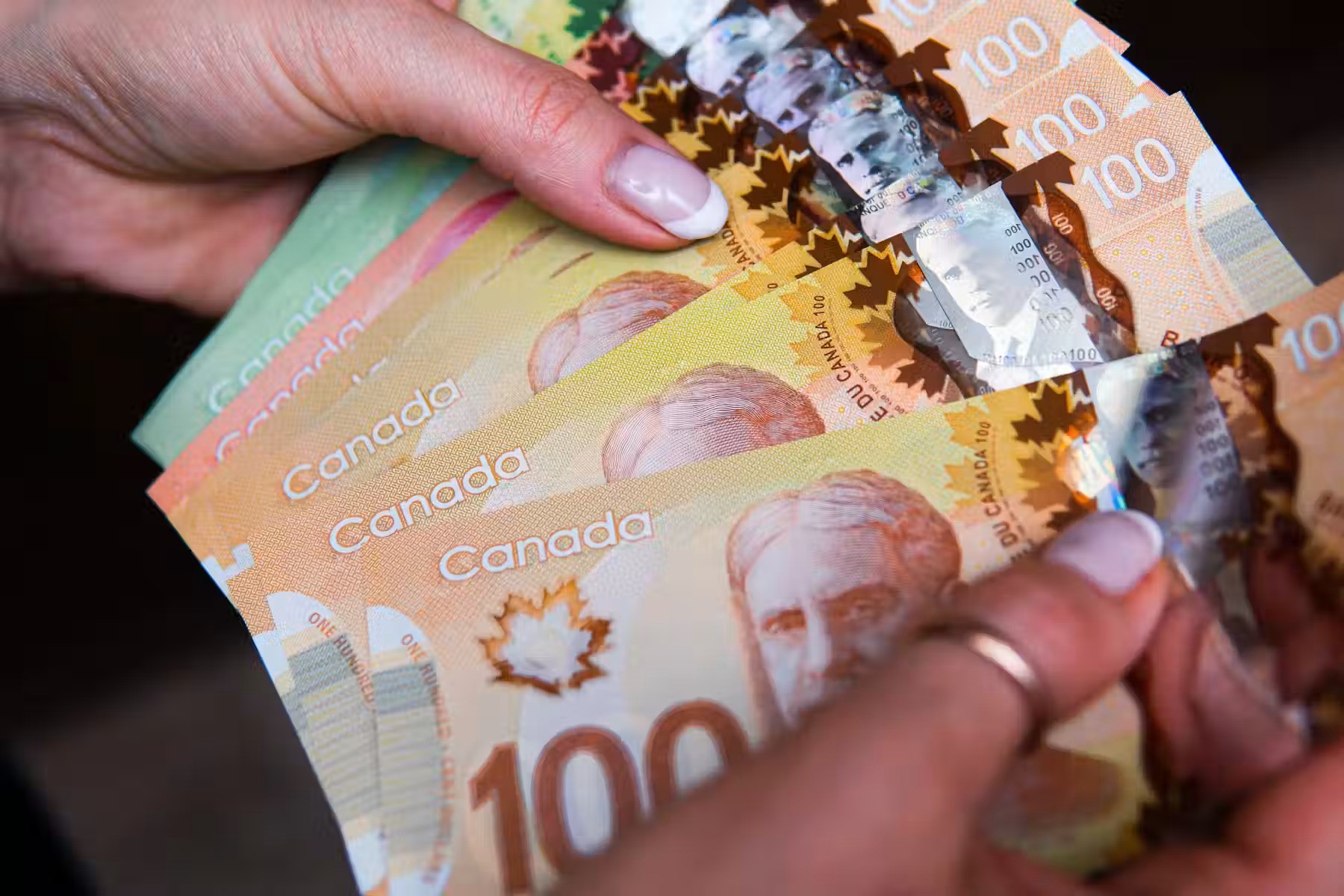
Stack of Canadian Dollar Banknotes

Practical compliance questions generally surface during re-deposits into a bank account. Under the Proceeds of Crime (Money Laundering) and Terrorist Financing Act (PCMLTFA), Canadian financial institutions are legally obligated to file a Large Cash Transaction Report (LCTR) for any physical cash deposit reaching **$10,000 CAD** or more within a single 24-hour window. To quickly and securely clarify any regulatory inquiries, always keep your original bank withdrawal slips, legal contracts of sale, or clear documentation of gifts or inheritances.

02Why a Cash Reserve in 2026 Makes Sense

When Digital Infrastructure Fails

Canada possesses a highly advanced financial ecosystem. Nevertheless, localized technical faults, regional blackouts, or unexpected system disruptions can halt digital payment processing. Network disruptions affecting Interac debit systems, online banking platform glitches, widespread internet outages, or prolonged severe weather power failures happen without warning—sometimes lingering for hours or days. In these moments, households without immediate access to physical currency face real hurdles buying groceries, fueling vehicles, or addressing urgent trade services. A balanced domestic cash reserve mitigates this risk entirely without recurring fees.

Cash as a Budgeting Strategy

Beyond emergency preparedness, keeping a portion of physical money can assist with household financial management. Handing over tangible paper banknotes carries a psychological weight that tapping a card or completing a smartphone transaction completely bypasses. The deliberate act of counting bills introduces a mindful pause in spending. Consequently, numerous households rely on cash envelope budgeting techniques to maintain strict control over day-to-day discretionary expenses.
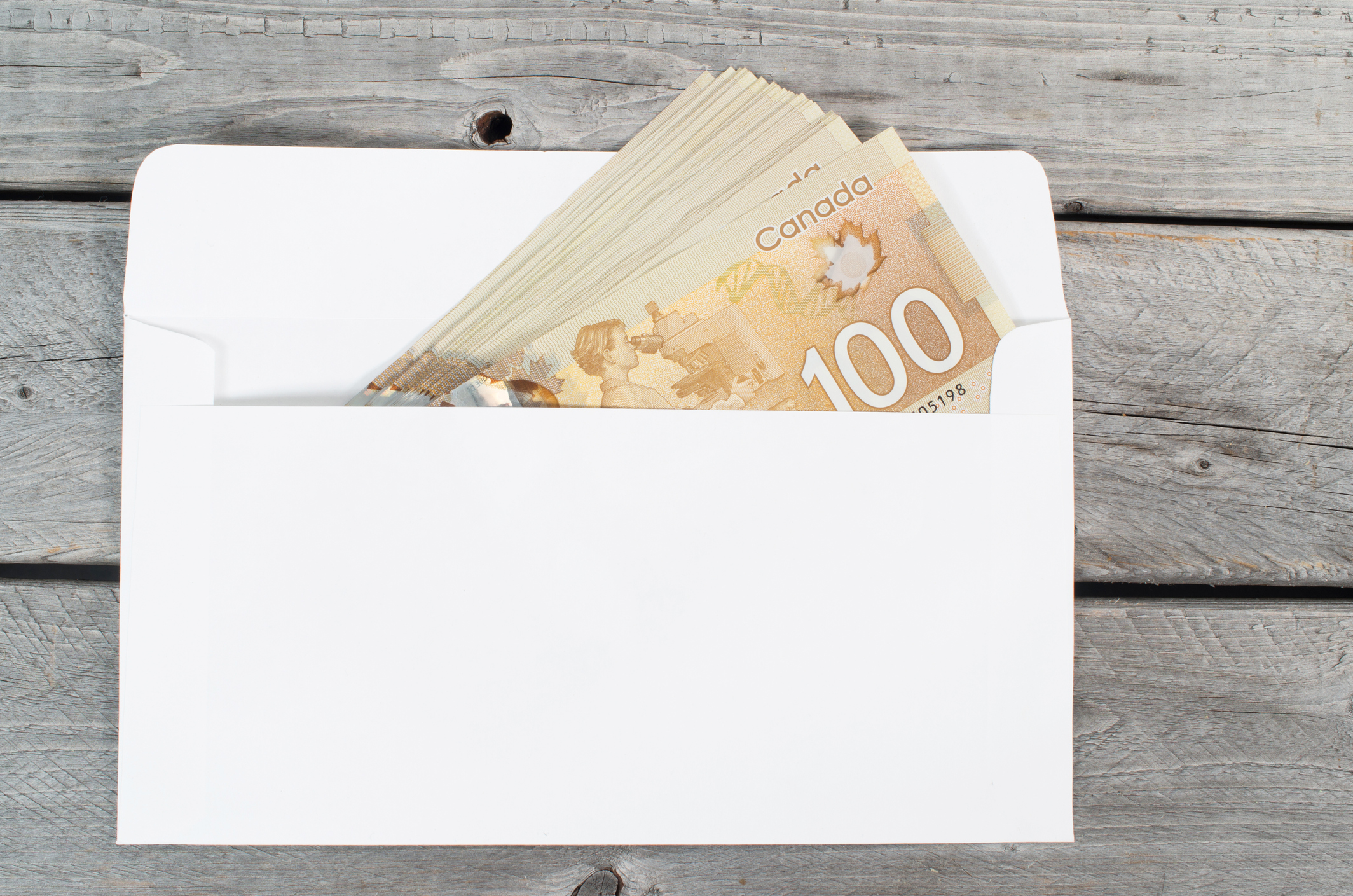
Household budgeting with cash envelopes

Take This Compact Overview Guide with You.

Our household cash readiness checklist covers calculation rules, certified safe standards, and vital insurance policy inquiries, optimized for a fast home review.

Calculate ReserveSafe RatingsInsurance Review
Request Checklist   →

03How Much Cash Should You Actually Have at Home?

There is no universal correct number, but there is a reliable calculation method. First, isolate the absolute non-negotiable fixed costs your household incurs over a single week: groceries, essential pharmacy items, fuel, or immediate healthcare requirements. Do not factor in entertainment, subscription models, or long-term savings goals. Next, decide exactly how many weeks of these essential outlays you wish to secure as a physical emergency cushion.

For most urban Canadian households, maintaining a window of one to two weeks of basic costs serves as an excellent operational target. Depending on your household size, this could represent a few hundred dollars. Conversely, families residing in rural areas with extended travel distances, or those managing specialized home care needs, might opt to expand their baseline to three or four weeks, which generally caps out around **$2,000 CAD**.

Amassing a home cash supply beyond a four-week scale typically works against your financial well-being. Sums of that scale routinely breach standard unlisted home insurance limits, miss out on interest yields, and systematically erode in value due to inflation. Furthermore, it elevates your vulnerability to burglary. Your objective should always be a targeted, regularly appraised total—not a growing stash compiled out of habit.

The value isn't simply in possessing cash at home. It lies in knowing precisely how much is there, why that specific figure suits your family, and exactly when you last evaluated it.north-financier Editorial Team

04Safe Storage That Truly Protects

Clever hiding spots do not offer real security against experienced burglars. Risk management professionals consistently advocate for certified mechanical security barriers and physical protections. Standard household hiding spots (under the mattress, deep in the freezer, inside pantry containers, behind rows of books, or inside fake wall outlets) are widely known to thieves and are checked systematically during a break-in. Utilizing a certified security safe materially raises your defenses because defeating it demands specialized equipment, excessive noise, and time—luxuries criminals rarely have due to detection risks.

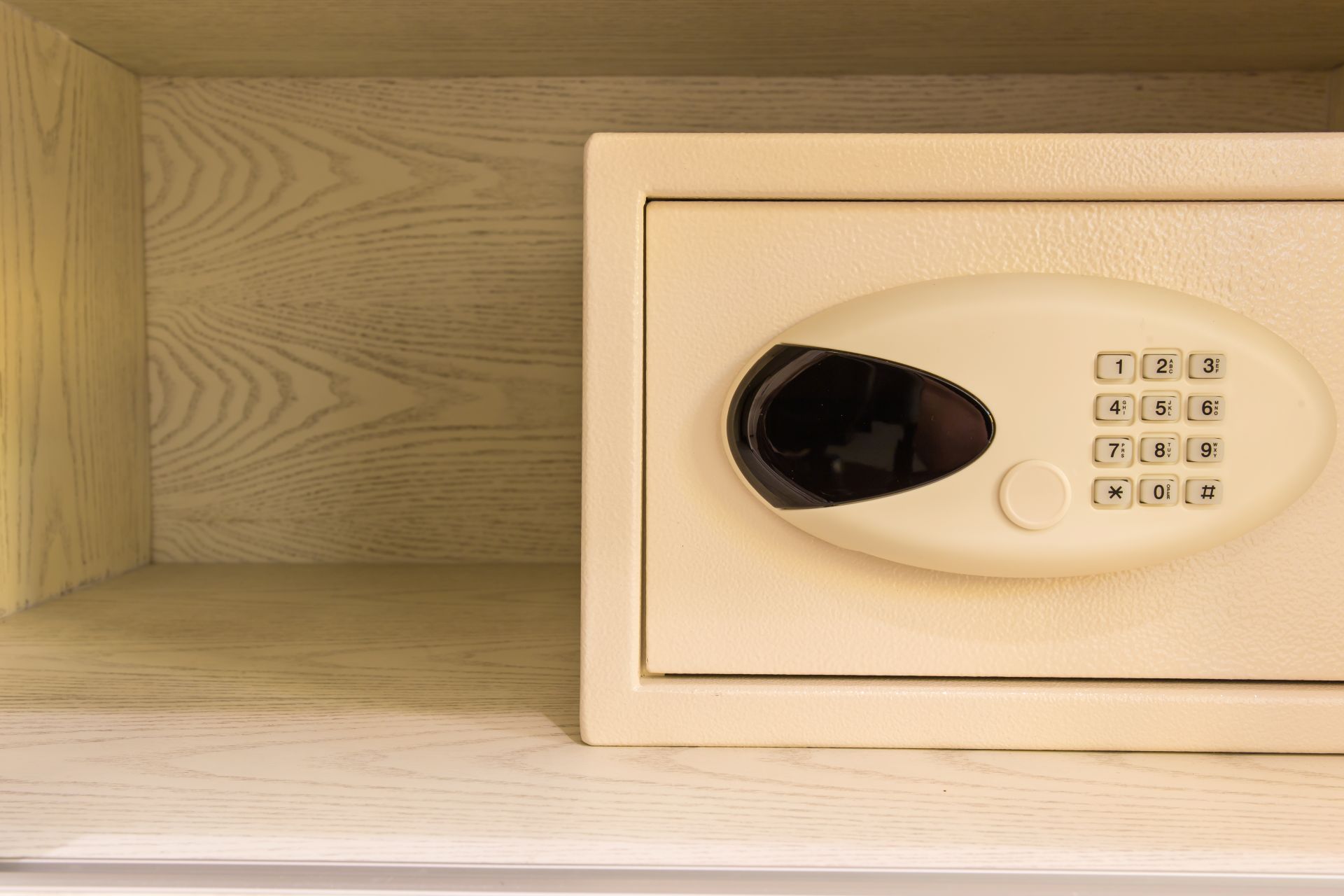
Home safe for documents and cash
Storage Approach Security Rating What You Need to Know
Certified Burglary Safe (UL Rated), anchored securely into solid concrete or studs Recommended Canadian insurers look for certifications from Underwriters Laboratories (such as UL TL-15 or TL-30 ratings) for substantial assets. Proper heavy-duty anchoring is vital to prevent removal.
Splitting the cash reserve between two distinct, secure locations Acceptable Reduces the probability of a total asset loss from a single intrusion. This strategy is only effective if both locations feature genuine mechanical protection, not just hiding.
Bedroom dressers, nightstands, master closets, or jewelry boxes Not Recommended Statistically the primary search zones during residential break-ins. Provides zero mechanical resistance.
Kitchen pantries or utility rooms: freezers, false jars, hidden baseboards Not Recommended Well-documented tricks. Offers purely cosmetic concealment with no structural integrity, frequently resulting in denied insurance claims due to negligence.

When selecting a residential safe, focus on three strict technical benchmarks. First: the **burglary rating**. This determines the monetary threshold an underwriter is willing to insure. Safes evaluated under North American standard **UL TL-15** (tested to withstand professional tool attacks for 15 minutes) or higher open up access to far more extensive coverage options. Second: the **anchoring system**. Any safe weighing under 750 lbs can simply be carted away by multiple intruders if it isn't bolted into structural concrete or floor joists. Third: your **broker's approval**. Always verify beforehand whether your specific insurance provider accepts the safe model and your planned cash value.

05What Home Insurance Covers—and What It Doesn't

This is the critical fine print that many policyholders gloss over, which can lead to severe financial disappointment following a loss. Comprehensive homeowners, condo, and tenant insurance policies categorise physical currency as "Special Limit" personal property. Even if your overall contents coverage extends up to $100,000, the default sub-limit allocated specifically to cash, money cards, or bullion sitting unprotected on the premises is commonly capped between **$500 and $1,000**. Anything stolen past that threshold is entirely out-of-pocket unless special riders are active.

Take a moment to audit your current policy documentation against these key questions:

If the standard policy limit fails to cover your calculated emergency reserve, connect with your insurer to request an endorsement or scheduled personal property rider to increase those sub-limits. Most providers offer these add-ons for a nominal premium increase, provided you verify the installation of an approved safe.

Do You Know How Secure Your Household Truly Is?

Our complimentary, single-page checklist guides you through determining your ideal reserve, safe criteria, and the core questions to verify with your insurance provider in under five minutes.

01

Calculate Reserve

Pinpoint your precise dollar allocation based on real weekly household outlays instead of a guessed baseline.

02

Verify Safe Standards

Identify the exact UL certification metrics required to ensure full coverage by your insurance underwriter.

03

Audit Your Policy

Clarify your home insurance special limits and exclusion clauses before adjusting your physical cash levels.

06Cash at Home versus Bank Deposits

Neither environment is fundamentally superior; they perform entirely separate functions within a balanced household security strategy. The goal isn't to pick one over the other, but rather to coordinate them intelligently. Physical cash at home acts as a purely operational emergency asset for systemic hiccups. Conversely, a traditional savings or high-interest account serves as a medium-to-long-term financial vehicle. Relying on one to completely cover the responsibilities of the other often leads to unnecessary financial risk.

Feature Cash Stored at Home Regulated Bank Account
Availability During Outages Instantly Usable, entirely decoupled from power grids and data networks Vulnerable. Dependent on operational POS merchant terminals or active ATMs
Yield / Interest None. Constantly gives up purchasing power to regular inflation pressures Interest Earnings based on prevailing market yields; helps offset inflation trends
Physical Hazard Risk Exposed to immediate loss via residential burglary, structural fire, or flash floods No Local Risk; unaffected by physical damage or disasters impacting your property
Regulatory Deposit Insurance None. You carry 100% of the financial risk and loss burden yourself CDIC Backed. Eligible deposits are federally protected up to $100,000 CAD per category
Transactional Privacy Absolute. Leaves no automated digital signature directly at the checkout point Monitored. Every transaction is recorded and permanently visible to the institution

07Your 5-Point Household Readiness Check

Assess your current arrangement against the following statements. If you cannot answer with a firm "Yes" to at least three items, your domestic cash setup likely has gaps that should be addressed.

Readiness Assessment: Five Questions
  • I know the exact value of the physical cash inside my home within a $50 margin without needing to count it.
  • This specific balance reflects a deliberate calculation of our essential weekly expenses, rather than a guessed number or old habit.
  • The currency is stored within a certified, properly anchored safe rather than concealed inside cabinetry, appliances, or everyday items.
  • I have actively confirmed the exact "Special Limits" for money within my home insurance policy wording in the last twelve months.
  • I hold immediate, verifiable documentation (e.g., bank withdrawal statements, notarized sale contracts) for all larger cash balances should an insurer or bank ask.

Consider setting a biannual reminder in your calendar to re-evaluate this setup. Without regular monitoring, home cash stashes often swell due to loose change, cash gifts, or lifestyle changes until the balance exceeds your insurance threshold and actual emergency needs.

08Questions and Answers

No, there is no legal ceiling on holding cash. In 2026, holding legally acquired cash on your private property remains completely unrestricted and lawful. While cross-border transit or international mail of cash hitting $10,000 CAD or more requires formal CBSA declarations, domestic storage within your home does not require any regulatory disclosures or filings.
No, default terms only protect very small amounts. Insurance companies group cash under restrictive "Special Coverage Limits". Outside of highly rated safes, default cash protection commonly maxes out between $500 and $1,000. If a larger sum is stolen from drawers or a hidden spot, you absorb the unrecoverable loss. Higher limits require policy endorsements and certified safes.
This represents the most common hurdle during claims processing. Because cash lacks identifying details, the burden of proof falls on you. You must establish a credible paper trail. Valid evidence includes continuous bank withdrawal slips, signed bills of sale, or official estate documents. Keeping a home ledger and photographing cash bundles alongside a current newspaper inside an open safe can also help validate your claim.
Yes, specific volume thresholds prompt automated regulatory filings under FINTRAC. Any cash deposit of $10,000 CAD or more within a single 24-hour period requires the institution to file a Large Cash Transaction Report (LCTR). If bank staff suspect structured deposits designed to intentionally circumvent the $10,000 bar, they are legally required to file a Suspicious Transaction Report (STR). Keeping original withdrawal receipts simplifies these clearings.
No, insurers separate assets into distinct categories with distinct sub-limits. While "loose cash and prepaid cards" hold the lowest default sub-limit (often $500), items like "securities, stocks, and bonds" or "jewelry, precious gems, and fine furs" carry separate, typically higher sub-limits (e.g., $5,000 to $6,000 depending on the provider). Check your specific policy wording under "Special Coverage Limits".
The North American standard is Underwriters Laboratories (UL) certification. European classifications like EN 1143-1 are less common here; domestic insurers look for markings like UL TL-15, TL-30, or residential security container (RSC) listings. A TL-15 rated model is certified to resist forced entry using industrial hand tools for at least 15 minutes. Crucially, any safe under 750 lbs must be professionally bolted down to maintain its security rating.
This depends entirely on your specific policy's insured perils. Standard comprehensive policies include fire, lightning, smoke, and sudden plumbing water damage—up to your cash sub-limit. If a safe lacks an official UL fire resistance rating (like Class 350 for paper), cash inside can still char or burn in a fire. Note that overland flooding or sewer backups are typically excluded unless you have added specific optional water protection endorsements.
The absolute policy limit applies per incident, not per claimant. Home insurance covers the collective personal property of the primary policyholder and relatives living in the same home. However, this does not double the sub-limit. If two family members each store $1,000 of loose cash in a home with a $1,000 cash sub-limit, the maximum payout following a burglary remains $1,000 for the entire event.
No, there is absolutely no insurance coverage in these scenarios. Property insurance protections apply strictly within the interior of your primary dwelling or fully secured, attached structures. Money buried outside is outside the insured perimeter. Furthermore, cash left in a vehicle is universally excluded from both auto and home policies due to high theft risks.
This falls under the concept of "Failure to Protect Property." Leaving accessible points unsecured or doors unlocked can give adjusters grounds to reduce your payout or deny a claim due to negligence. While some premium policies include clauses that overlook minor oversights, these exceptions rarely extend to loose cash or unsecured high-value items left out in the open.

09Our Editorial Verdict

A balanced, carefully planned cash reserve remains a highly practical component of modern household emergency planning in Canada for 2026. The reasons for keeping a reserve are straightforward: digital networks can face temporary outages, and having physical currency on hand ensures you retain basic purchasing power during a disruption. However, the trade-offs are just as real: cash yields no interest, home insurance standard policies provide very narrow coverage for cash without endorsements, and unmanaged amounts create unnecessary theft risks.

The right approach is clear: set a realistic target sum tailored directly to your essential weekly outlays, house it within a certified safe that meets your insurer's benchmarks, review your policy details annually, and keep your documentation up to date. Handled correctly, a home reserve provides meaningful peace of mind. Left unmanaged, it can present financial vulnerabilities when you can least afford them.

Request the Household Cash Readiness Checklist.

A concise breakdown to help calculate your optimal reserve, review active safe certifications, and navigate the five core questions for your home insurance provider. Delivered straight to your inbox.

Your details are used strictly for delivering the requested checklist. north-financier does not share your information with external third parties for marketing purposes.