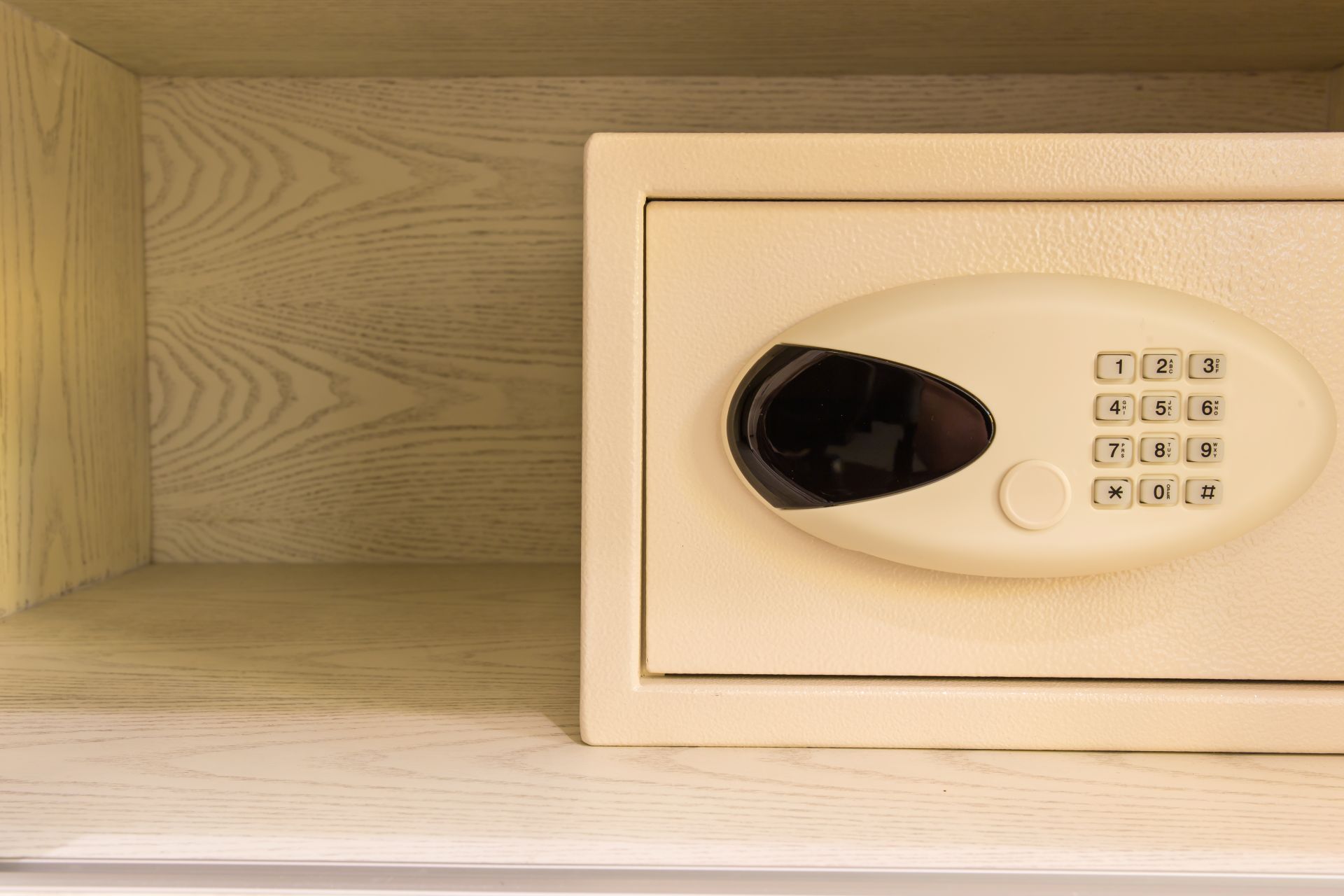
Most discussions about keeping cash at home center around the wrong questions: people worry whether it is legal, if the bank will interrogate them, or if a safe is truly necessary. In practice, the answers to these are quite straightforward. What households rarely address correctly are the fundamentals: establishing a practical target sum, ensuring professional-grade storage, and making sure their insurance provider will actually cover a loss in an emergency.
This guide leads you step-by-step through these choices. By the end, you will have a clear method for calculating your reserve, understand what certified security ratings mean in the real world, and know the exact questions to ask your insurance broker before holding larger sums of money at home.
- Storing legally acquired cash at home is fully permitted in Canada. No general statutory limit or reporting requirement exists for merely holding cash on your premises.
- Your home insurance policy almost certainly features a separate, significantly lower coverage limit for cash—frequently restricted to just $500 to $1,000 unless specified otherwise.
- Many insurers require a certified, professionally anchored safe to guarantee coverage for larger amounts of cash.
- The ideal amount should correspond directly to your standard household expenses rather than an arbitrary figure. Experts generally suggest holding one to four weeks of essential living costs.
- Every single dollar sitting outside of a short-term emergency reserve loses purchasing power daily to inflation when left uninvested.
01What the Law Actually Says
Under current Canadian framework, there is absolutely no overarching legal limit on how much legally obtained cash private individuals may hold in their homes. The core requirement is that the source of the funds is entirely legitimate and can be verified if necessary. There is no requirement to report cash stored within a private household.
However, regulatory frameworks closely monitor how this cash is deployed in the broader economy. While physical cash is not explicitly banned for real estate transactions, anti-money laundering frameworks enforced by the Financial Transactions and Reports Analysis Centre of Canada (FINTRAC) make large cash property transactions nearly impossible. Real estate brokerages, developers, and legal firms face rigorous reporting mandates and rarely accept physical currency for deposits or purchases. Similarly, large cash purchases of precious metals, jewelry, or vehicles trigger strict identity verification requirements.

Practical compliance questions generally surface during re-deposits into a bank account. Under the Proceeds of Crime (Money Laundering) and Terrorist Financing Act (PCMLTFA), Canadian financial institutions are legally obligated to file a Large Cash Transaction Report (LCTR) for any physical cash deposit reaching **$10,000 CAD** or more within a single 24-hour window. To quickly and securely clarify any regulatory inquiries, always keep your original bank withdrawal slips, legal contracts of sale, or clear documentation of gifts or inheritances.
02Why a Cash Reserve in 2026 Makes Sense
When Digital Infrastructure Fails
Canada possesses a highly advanced financial ecosystem. Nevertheless, localized technical faults, regional blackouts, or unexpected system disruptions can halt digital payment processing. Network disruptions affecting Interac debit systems, online banking platform glitches, widespread internet outages, or prolonged severe weather power failures happen without warning—sometimes lingering for hours or days. In these moments, households without immediate access to physical currency face real hurdles buying groceries, fueling vehicles, or addressing urgent trade services. A balanced domestic cash reserve mitigates this risk entirely without recurring fees.
Cash as a Budgeting Strategy
Beyond emergency preparedness, keeping a portion of physical money can assist with household financial management. Handing over tangible paper banknotes carries a psychological weight that tapping a card or completing a smartphone transaction completely bypasses. The deliberate act of counting bills introduces a mindful pause in spending. Consequently, numerous households rely on cash envelope budgeting techniques to maintain strict control over day-to-day discretionary expenses.